
IV Hydration Therapy: What It Can (and Can’t) Do for You
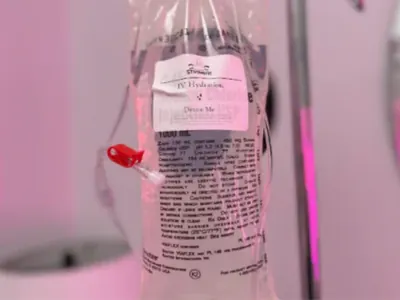
IV hydration has become popular for everything from recovering after a tough workout to bouncing back from a stomach bug. But what does an IV drip actually do, and when is it worth it compared with simply drinking more water? Here’s a straightforward look at IV hydration therapy and what to expect at our Warner Robins clinic.
What IV hydration is
IV (intravenous) hydration delivers fluids, electrolytes and sometimes vitamins directly into a vein through a small catheter. Because it bypasses the digestive system, fluids reach your bloodstream right away instead of being absorbed gradually through the gut.
What’s in an IV drip?
Formulas vary based on your needs and medical screening. Common components include:
- Saline with electrolytes to restore fluid and mineral balance
- B vitamins that play a role in energy metabolism
- Magnesium, involved in muscle and nerve function
- Vitamin C
- Amino acids or glutathione in some formulas
At Made For More Wellness Co., your provider chooses a blend based on your goals, symptoms and health history.
When IV hydration may help
- After illness involving vomiting or diarrhea, when it’s hard to keep fluids down
- After intense exercise or heat exposure, when you’ve lost significant fluid and electrolytes
- Travel recovery or a demanding stretch at work when you’re run-down
- Hangover relief, primarily by correcting dehydration
- Support during a broader plan, such as medical weight loss or hormone optimization, when your provider recommends it
What IV hydration can’t do
It’s important to be honest about the limits:
- For most healthy people with mild thirst, drinking water works well and costs less.
- IV therapy is not a cure for chronic fatigue, a substitute for sleep, or a replacement for treating an underlying medical condition.
- If fatigue keeps coming back, lab testing is a better first step. Low iron, thyroid problems, hormone imbalances or vitamin deficiencies may be the real cause. Vitamin injections or other treatment may fit better.
What to expect during a visit
- Medical screening: health history, current medications and vital signs. Point-of-care testing may be done if needed.
- IV placement: a licensed nurse places the IV using sterile technique.
- Infusion: most sessions take about 20–60 minutes. Staff monitor you throughout, and you can relax, read or work on your phone.
- After: you can usually return to normal activities right away.
Walk-ins are welcome Monday–Friday, 10 AM–6 PM. Single visits and multi-visit packages are available, and pricing is explained up front.
Safety first
IV therapy isn’t right for everyone. People with certain heart or kidney conditions, for example, may not tolerate extra fluid well. That’s why every patient is screened before treatment, and why we recommend a safer alternative when IV therapy isn’t appropriate. Possible side effects are usually minor, such as bruising or soreness at the IV site.
Try IV hydration in Warner Robins
Visit us at 1558 Watson Blvd, call (478) 370-0869, or book a time. Learn more about IV hydration at our clinic.
This article is for general education and isn’t medical advice. Treatment decisions require an evaluation by a licensed provider. Individual results vary.
More from the blog

How Telehealth Hormone and Weight Loss Care Works in Georgia
Live outside Warner Robins? Here’s how telehealth visits, local lab work and medication delivery work for hormone and weight loss care anywhere in Georgia.
Read article →
9 Signs of Low Testosterone in Men (and When to Get Tested)
Fatigue, low libido, lost strength? Learn the common signs of low testosterone, how it’s properly diagnosed with lab work, and what TRT involves in Warner Robins, GA.
Read article →
What to Expect at a Medical Weight Loss Clinic in Warner Robins
From walk-in intake and lab testing to your first 90 days: a clear, step-by-step look at medical weight loss at our Warner Robins, GA clinic.
Read article →